
What is Glycemic Index (GI)?
The Glycemic Index (GI) measures how quickly the carbohydrates in food raise your blood sugar levels. High GI foods cause a rapid spike, while low GI foods lead to a slower, more stable rise. This is especially important for people with diabetes or anyone looking to maintain steady energy levels throughout the day.
Understanding Glycemic Load (GL)
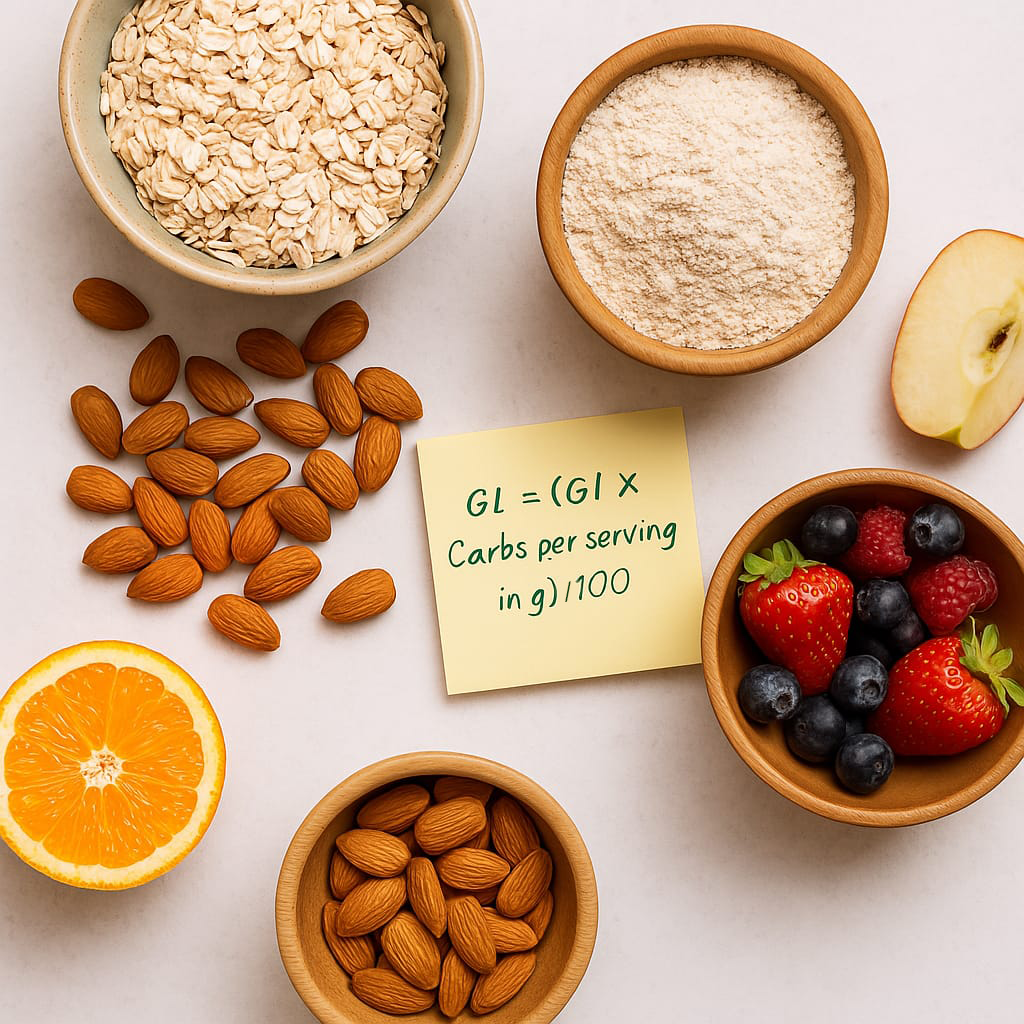
Glycemic Load (GL) goes a step further by considering both the GI of a food and the amount of carbohydrates in a typical serving.
Formula:
GL = (GI × amount of carbohydrates per serving) / 100
This means that even a food with a high GI might have a low GL if consumed in small amounts, while a large portion of a medium-GI food could result in a high GL.
Why Low GI Foods Should Be Part of Your Diet
✅Regulates Blood Sugar
Low GI foods cause a slow, steady rise in blood sugar—helping maintain stable energy and avoid crashes.
✅ Supports Weight Management
They help control appetite and keep you fuller for longer, aiding in weight loss or healthy weight maintenance.
✅ Essential for Diabetes
Low GI foods help prevent blood sugar spikes and are a key part of diabetic diets.
✅ Promotes Long-Term Health
Regular consumption of low GI foods lowers the risk of chronic illnesses like type 2 diabetes, heart disease, and metabolic syndrome.
How Our Diabetic Care Atta Supports a Low GI Lifestyle
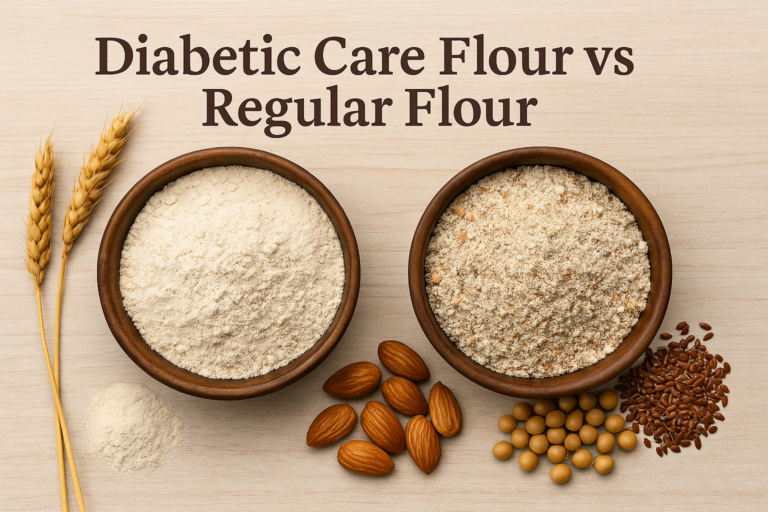
As illustrated in our GI comparison chart, VitProFiber Diabetic Care Atta has a Glycemic Index of less than 50, making it an ideal choice for those managing diabetes or seeking balanced nutrition.
Crafted with a scientifically tested blend of 50% MP wheat and 50% superfoods (including flaxseed, almond, barley, amaranth, soybean, and Bengal gram), this atta helps:
- Stabilize blood sugar levels
- Support metabolic health
- Improve energy without causing spikes
Made under strict hygiene standards and tested in labs, this flour contains no preservatives or chemicals—just pure, natural nutrition.


[…] Why Low GI Foods Matter: A Guide to Better Blood Sugar Control […]